mixed bed deionizer resin
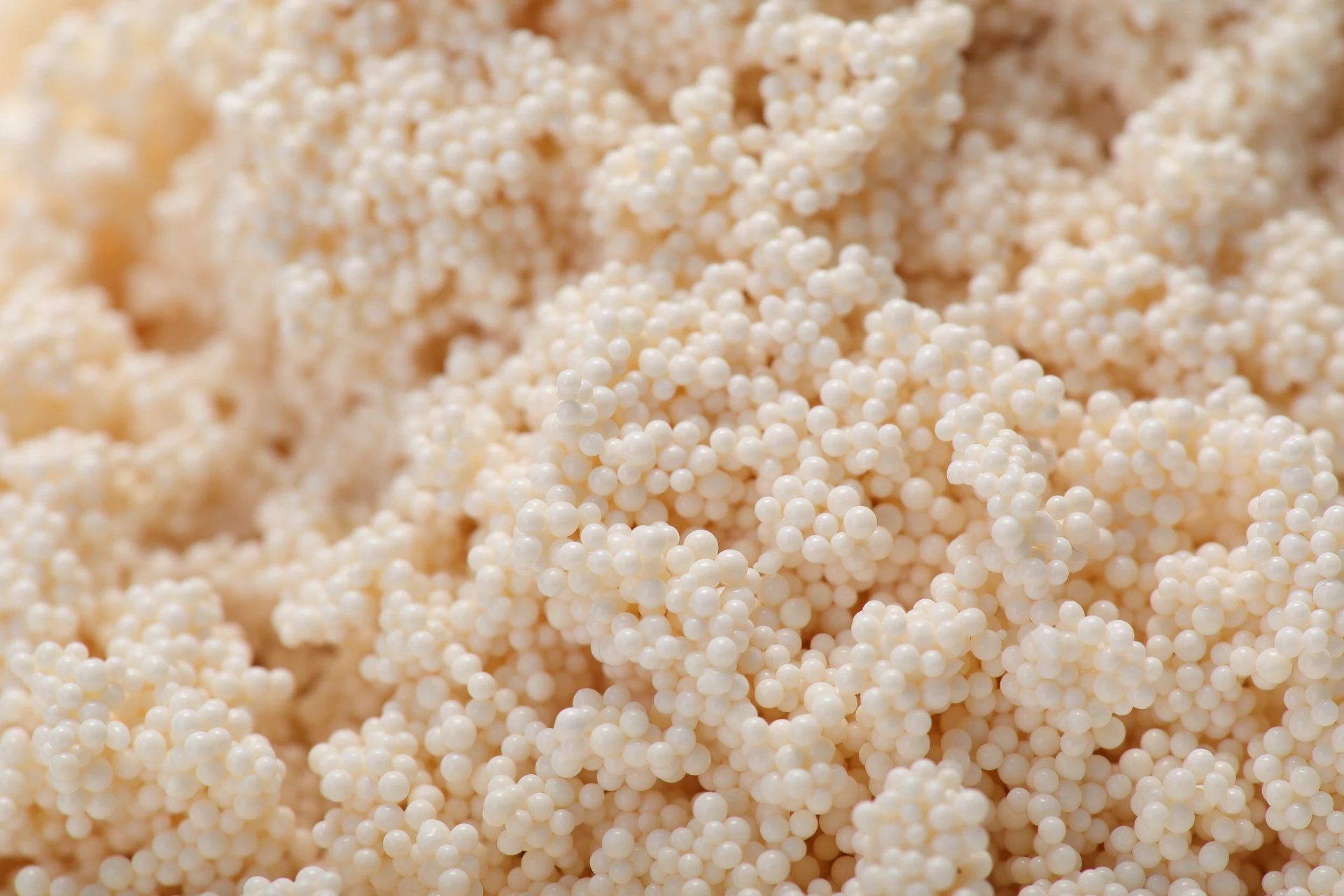
Mixed Bed Resin MX910: field notes, specs, and real-world lessons If you work with ultrapure or polished water, you’ve probably heard the phrase deionization resin mixed bed tossed around in maintenance meetings. I’ve spent more days than I’d like to admit hovering over resistivity meters, and MX910 from Lijia (origin: NO.2 East Jianshe Road, High-Tech Industrial Development South Zone, Wei County, Xingtai, Hebei, China) has been making the rounds lately—for good reason. What it is (and why pros care) MX910 is a premium mixed bed blend: a strong acid cation resin (H+ form) and a strong base anion resin (Type I, OH− form), factory-preconditioned and proportioned to strip ions down to trace levels. It’s tuned for catching stubborn cation “slip”—think sodium from alloy corrosion, plus stray metal ions that sneak through upstream systems. In practice, that means steadier 18.2 MΩ·cm water, less babysitting. Many customers say the startup rinse is shorter than expected; I’ve seen similar behavior, though, to be honest, feedwater chemistry still rules the day. Industry trends and where MX910 fits Semiconductor/FPD: tighter silica and boron limits; polishing beds after EDI are now common. Biopharma: lower TOC expectations before storage loops; documentation/traceability matter more than ever. Power plants: condensate polishing still leans on robust deionization resin mixed bed for sodium and silica control during load cycling. Labs and microfab: point-of-use cartridges to hit ASTM Type I water quickly. MX910 product snapshot Product Mixed Bed Resin MX910 Ionic form H+/OH− (factory regenerated) Resistivity (product water) Up to 18.2 MΩ·cm at 25°C (feed dependent) Total exchange capacity ≈ 1.8–2.1 eq/L (real-world use may vary) Moisture content ≈ 55–65% Particle size 0.4–1.2 mm; UC ≤ 1.6 Operating temp / pH 5–60°C; pH 2–12 Expected service life 1–3 years or 200–800 bed volumes/cycle (application dependent) Process flow, testing, and documentation Materials: SAC (gel) + SBA Type I (gel), high conversion to H+/OH−. Methods: fractionated rinsing, precision mixing, cleanroom-grade bagging. Testing standards include conductivity/resistivity checks vs ASTM D1193, basic physicals per industry norms (see citations), silica and sodium slip tests on request. Typical QC snapshots I’ve seen: Resistivity: 17.8–18.2 MΩ·cm on 30–80 µS/cm RO permeate Silica: TOC: often Applications and advantages Semiconductor UPW polish skids; EDI post-polish Pharma pretreatment to storage/loop; lab DI polishers Power condensate polishing, turbine startups Precision manufacturing rinses; specialty optics Pros: fast rinse-up, stable resistivity plateaus, strong cation cleanup. The deionization resin mixed bed blend also resists channeling in properly packed vessels. Customization options include OH− conversion %, particle cut, pre-rinse level, and optional indicator grade (handy for small cartridges). Vendor snapshot (high-level) Vendor / Grade Type Target resistivity Notes Lijia MX910 deionization resin mixed bed Up to 18.2 MΩ·cm Strong on sodium/metal slip; China origin; customizable Purolite MB400 Mixed bed 16–18.2 MΩ·cm (typ.) Global availability; common in lab polishers DuPont AmberLite/Dowex MR-3 Mixed bed 16–18.2 MΩ·cm (typ.) Workhorse grade; broad spec sheets Field notes and mini case studies Lab network, EU: swapped legacy beds for MX910; rinse-up to 18.1 MΩ·cm in ≈45 minutes after cartridge change, down from ≈70. Feedback: “less drift after weekends.” Power plant, APAC: condensate polisher saw sodium downshift to sub-2 µg/L during cycling. Operators noted fewer regeneration alarms. Medical device shop, US: tighter silica control ( Compliance and standards (quick checklist) Designed to help meet ASTM Type I water resistivity targets Vendor quality systems: request ISO 9001 certificate and lot COA For potable-contact uses, confirm NSF/ANSI 61 status if applicable Semiconductor users often benchmark against SEMI UPW guides Bottom line: if you’re chasing stable 18.2 MΩ·cm with fewer surprises, MX910 is a solid, pragmatic deionization resin mixed bed choice—especially where sodium and corrosion metals keep sneaking through. Authoritative citations ASTM D1193 – Standard Specification for Reagent Water. SEMI F63 – Guide for Ultrapure Water Used in Semiconductor Processing. ASTM (industry test methods) for ion-exchange resins, commonly referenced in vendor COAs. ISO 9001 – Quality management systems (vendor certification). NSF/ANSI 61 – Drinking Water System Components – Health Effects.
-
 Strong R & D Capability And Experienced Technical Team
-
Provide Customers With Competitive And Differentiated Products